The Webinar was amazing. I will post it as soon as I get a chance.
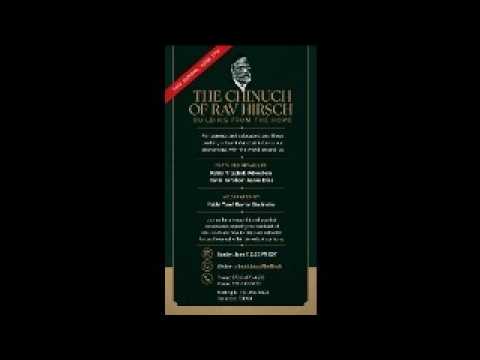
Meeting Purpose
Discuss how to implement Torah im Derech Eretz (TIDE) principles in the home.
Key Takeaways
-
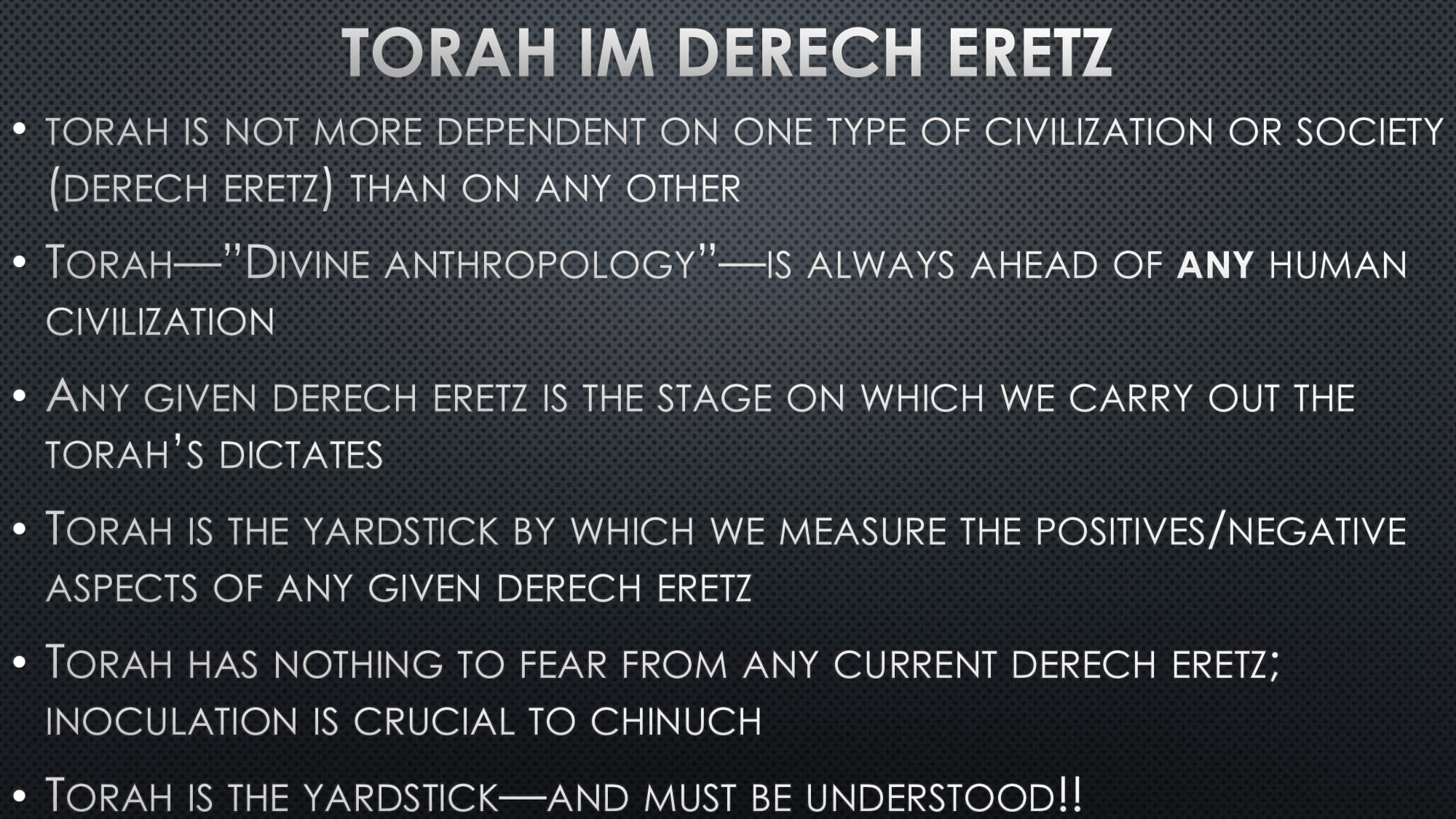
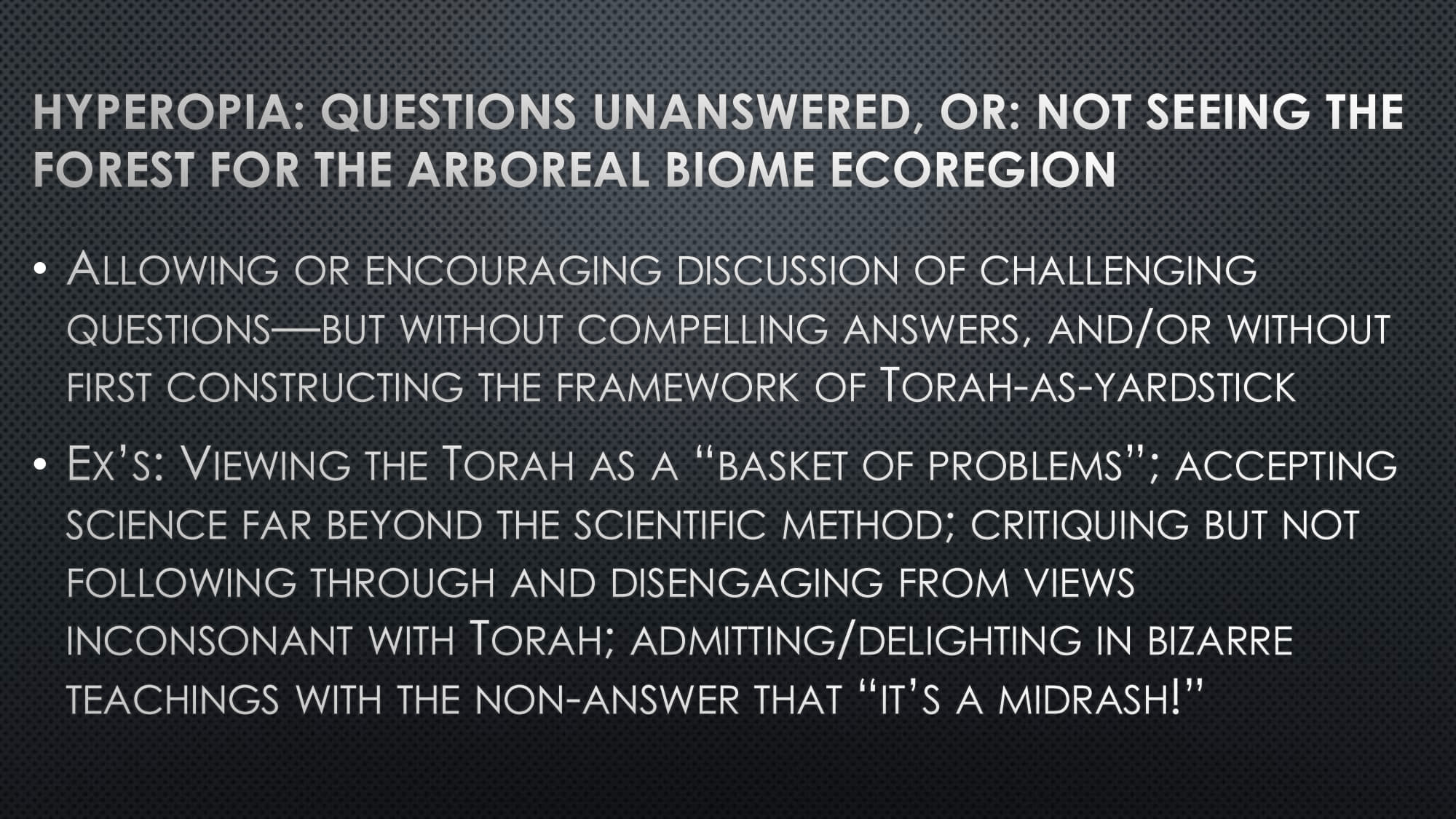
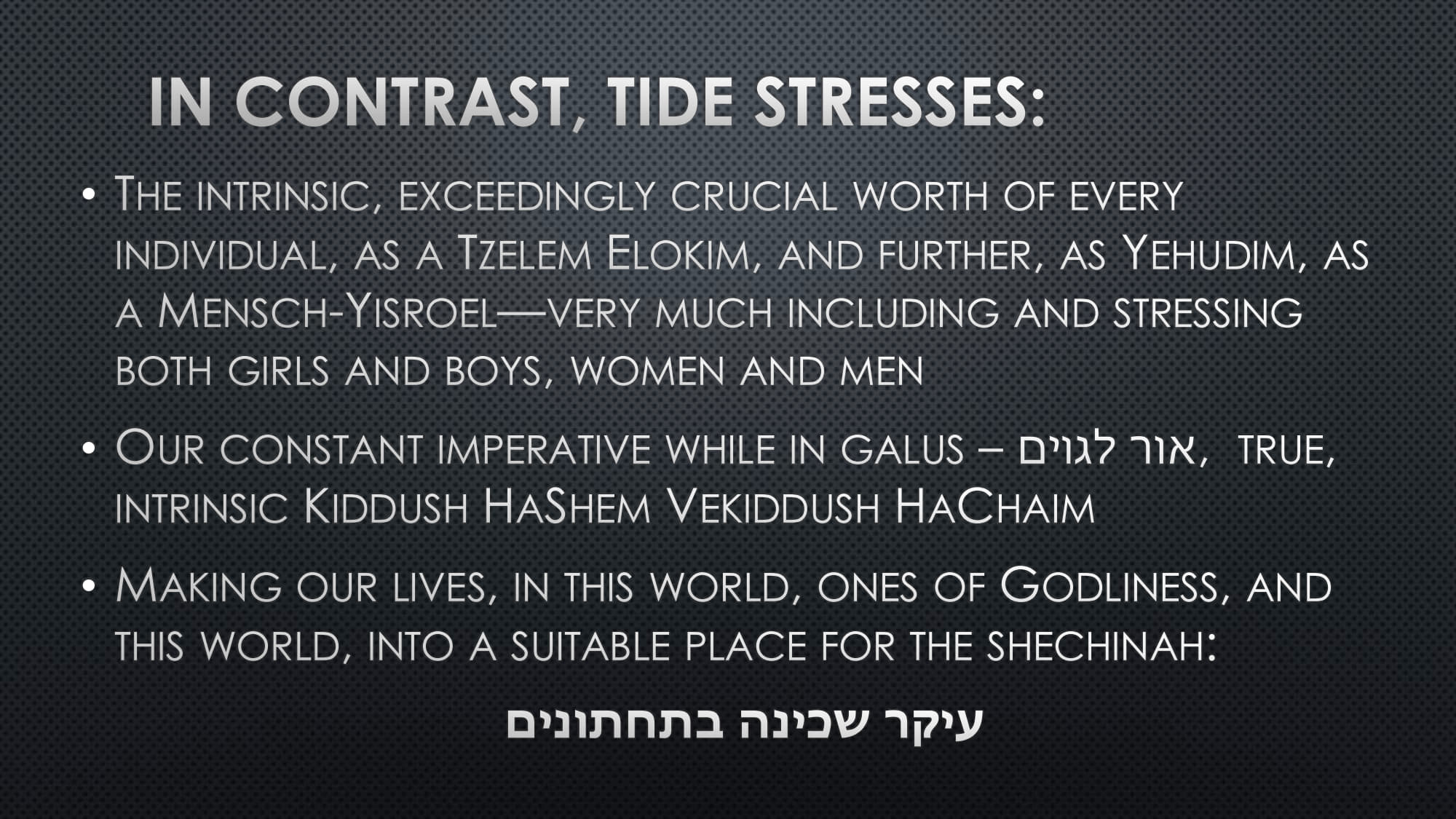
TIDE’s core principle is integration, not isolation. It’s a mission statement for active involvement in the world, contrasting with the isolationist model prevalent in some communities.
-
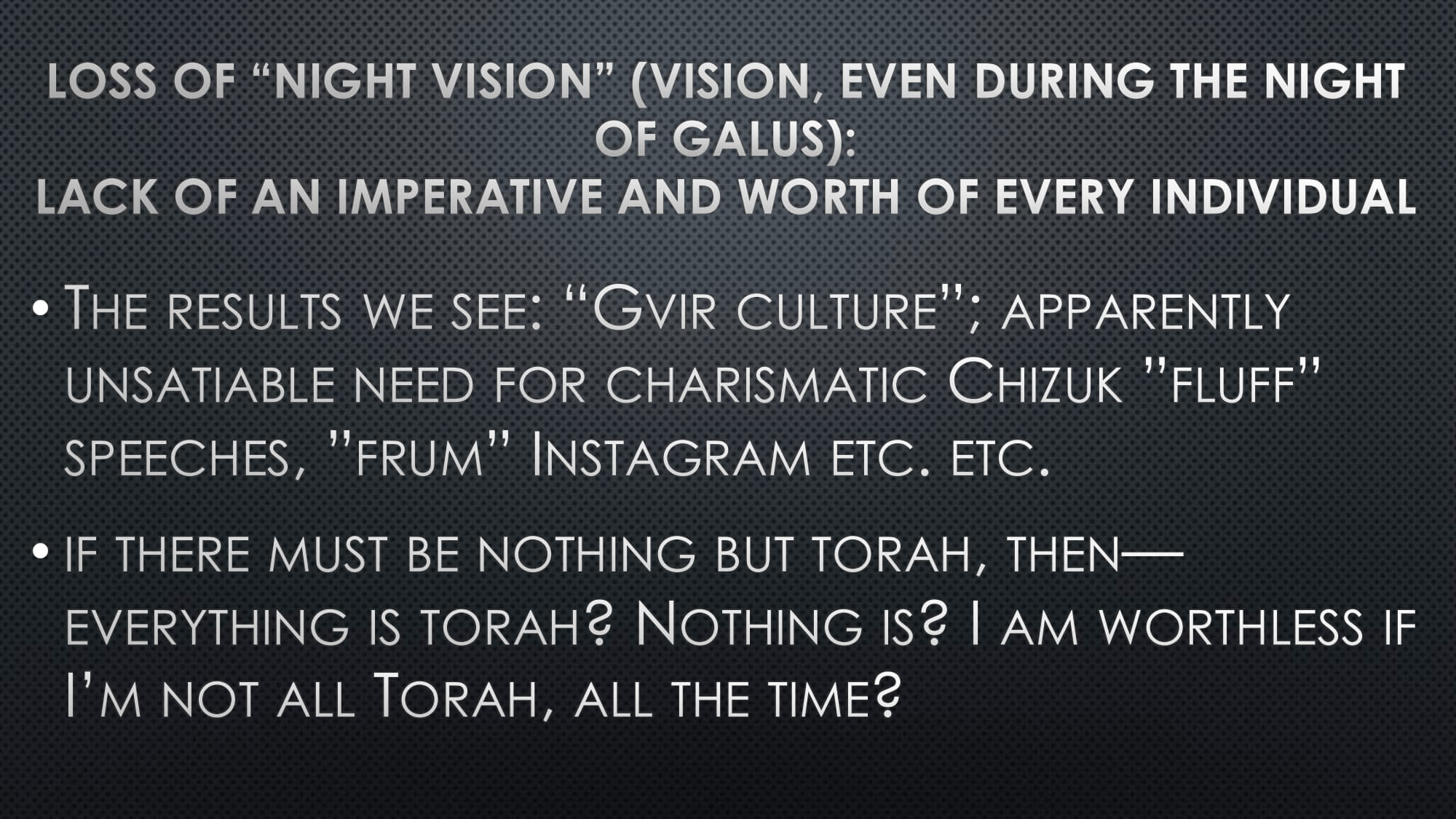
The home is the primary TIDE institution. Parents must model values like truthfulness and respect, as schools cannot teach these virtues.
-
Parents must counter school messages that conflict with Torah values. Use Torah sources to show children why a message is wrong, teaching them to discriminate between truth and falsehood without undermining a teacher’s authority.
-
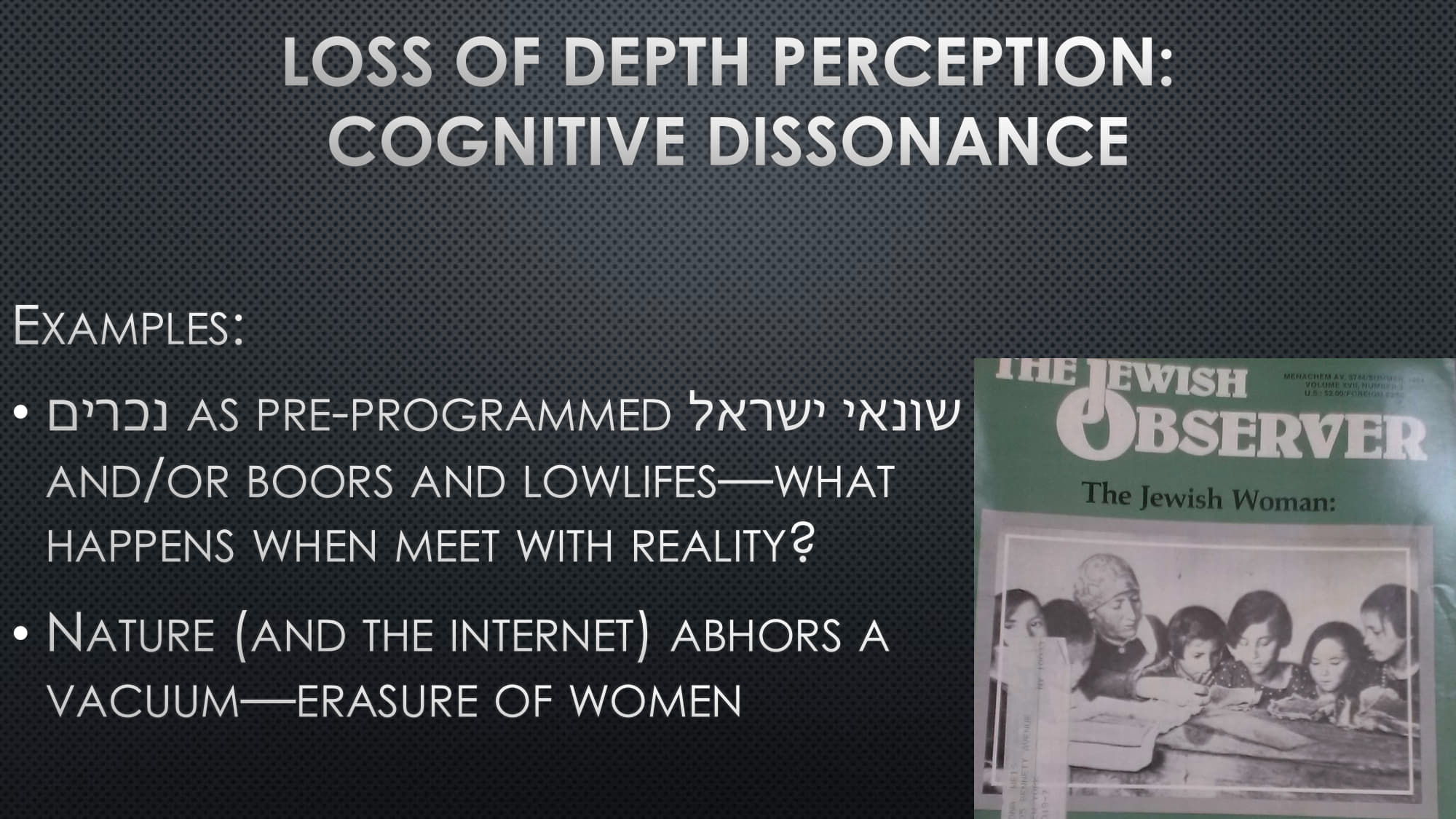
Engage with the secular world as a teaching opportunity. Use examples of non-Jewish goodness to demonstrate the universal power of Torah’s sparks and the concept of Tzelem Elokim (the divine image).
Topics
The Problem: A TIDE Institutional Gap
-
The goal is to reintroduce and enhance TIDE principles to address contemporary community challenges.
TIDE’s Core Principle: Integration vs. Isolation
-
Integration: Active involvement in the world is essential to the Torah Jew’s mission.
-
Isolation: Retreating into a “cozy ghetto” is not a legitimate Torah model.
-
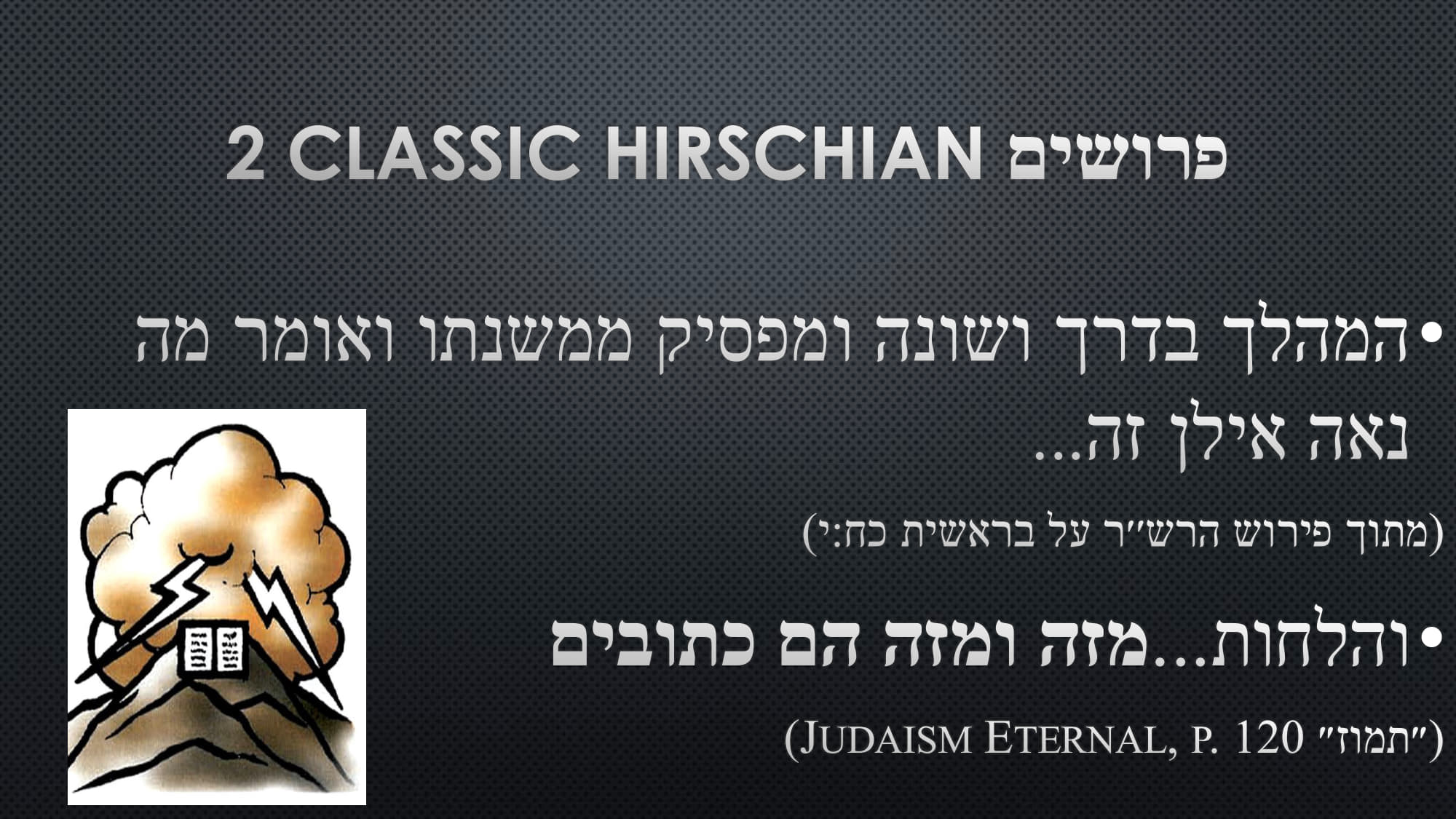
Historical Context: Rav Hirsch formalized integration into a mission statement, whereas previous patterns of life were often circumstantial.
-
Modern Relevance: This principle is critical in Eretz Yisrael, where isolationist chinuch models have demonstrably failed.
Practical Application: What Parents Can Do
-
Exposure: Intentionally expose children to diverse people and ideas.
-
Critical Thinking: Encourage curiosity and the ability to discriminate between values.
The Home as the Primary Institution
-
Hirsch’s View: The home is the sole source for teaching virtues like truthfulness, respect for law, and altruism.
-
Parental Responsibility: Parents must model these values directly.
-
Shabbos Table: Use it as a tool for value-driven discussion, not just gossip.
Countering Conflicting School Messages
-
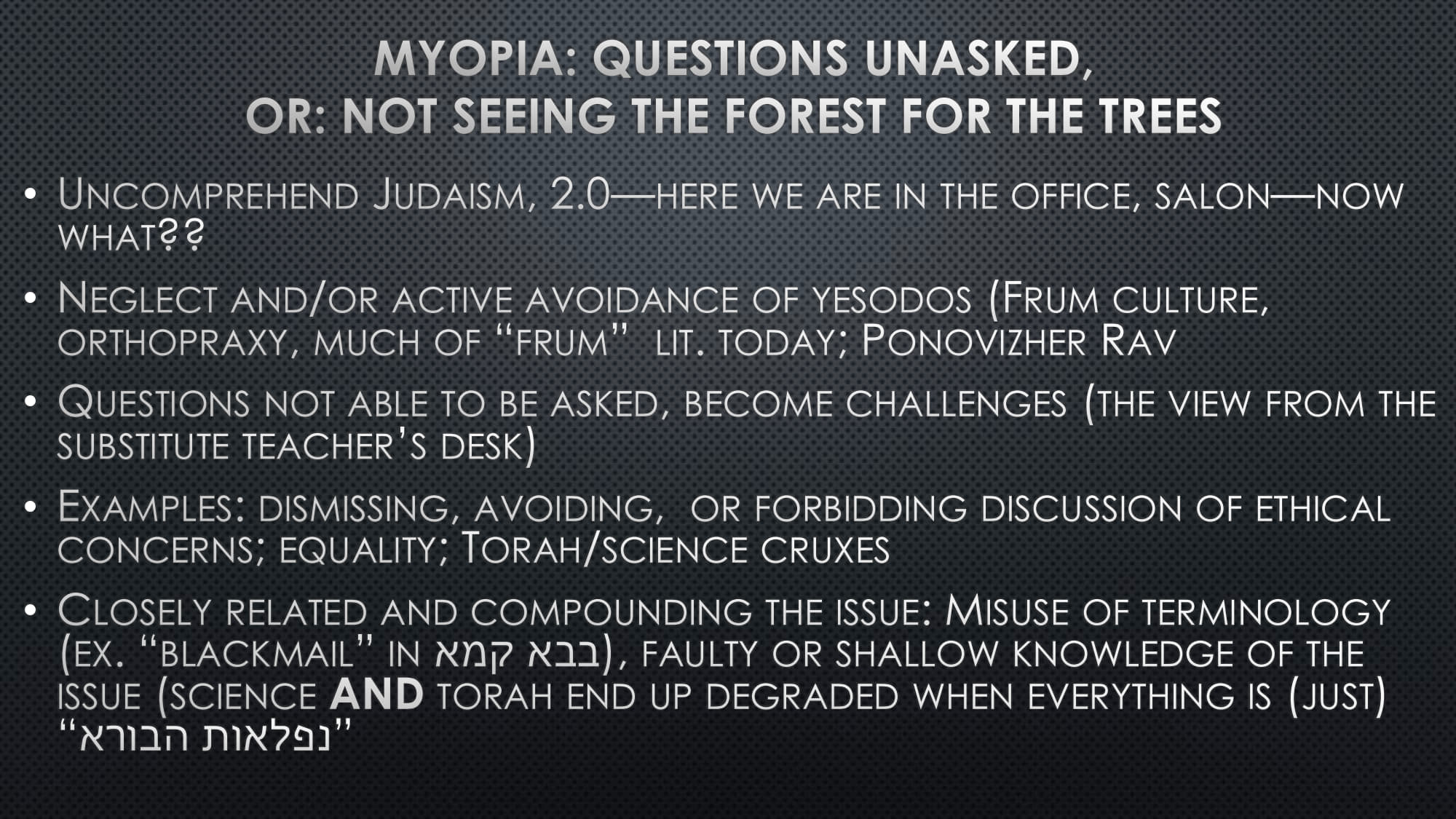
The Challenge: Schools may teach non-Torah values (e.g., bittul Torah, ethnic jokes).
-
The Solution: Use Torah sources to show children why a message is wrong.
-
The Principle: “Torah is Torah’s emes, and you can’t build Torah’s emes with sheker (falsehood).”
Navigating Secular Society
-
The Question: How to teach respect for people without adopting opposing secular values?
-
-
Non-Jewish Goodness: Use examples (e.g., a Salvation Army volunteer) to show the universal power of Torah’s sparks and Tzelem Elokim.
-
Connecting: Find ways to connect respectfully with non-Jews, as Rav Yaakov Kamenevsky did.
-
Personal Experience: Gershon Seif’s chaplaincy work showed him that “these are my people,” shifting his perspective from “us vs. them.”
-
Next Steps

2 Likes
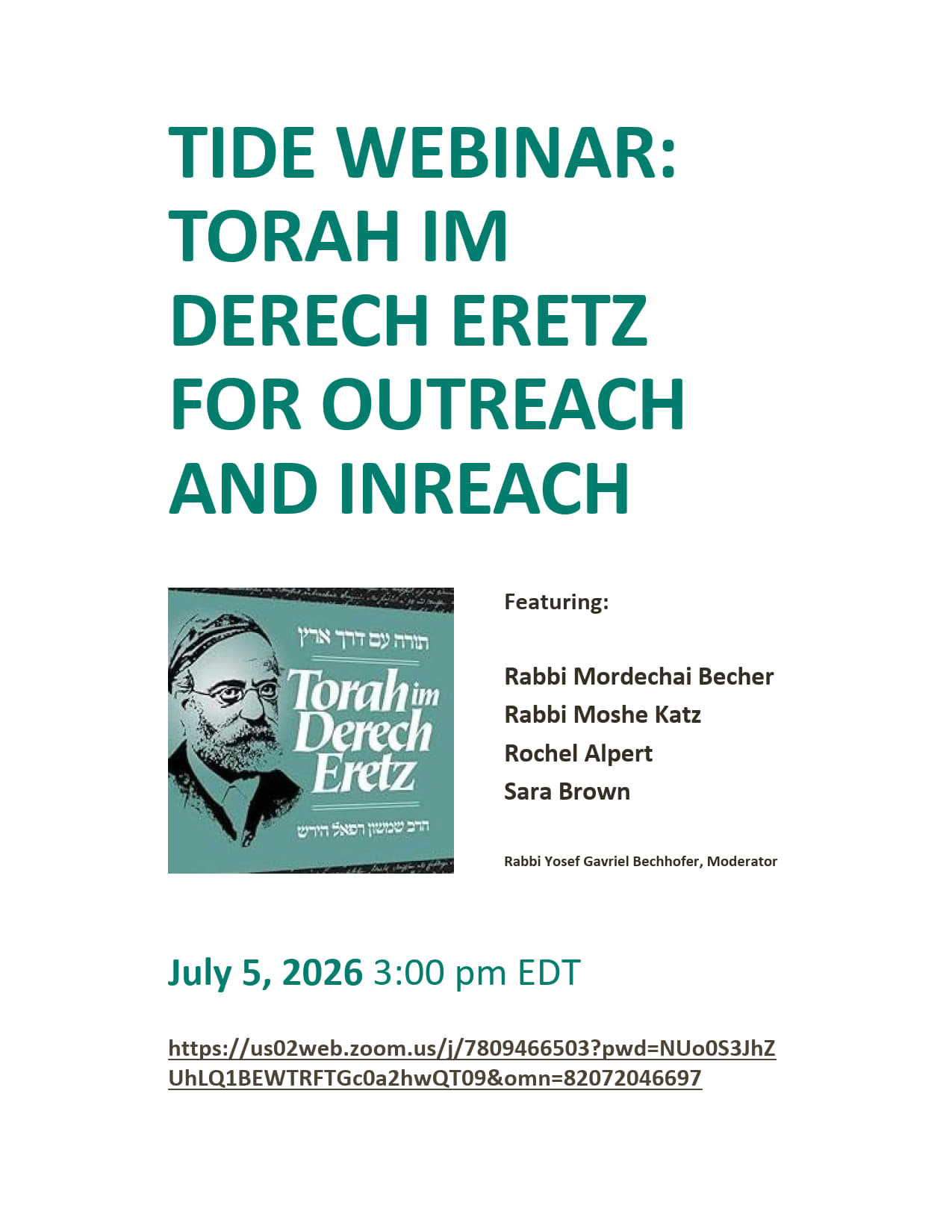
Outstanding webinar. Trying to attach link….
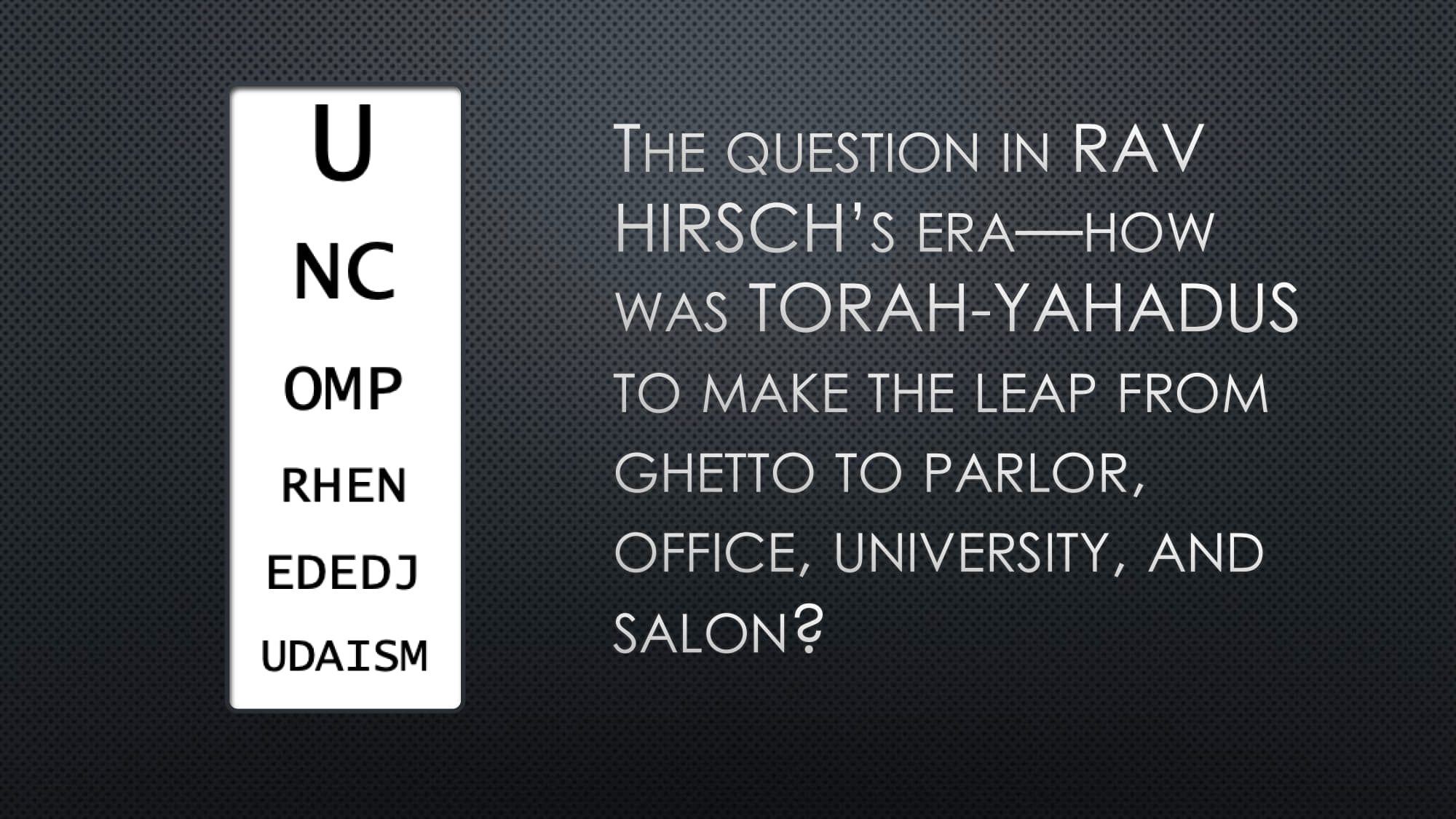
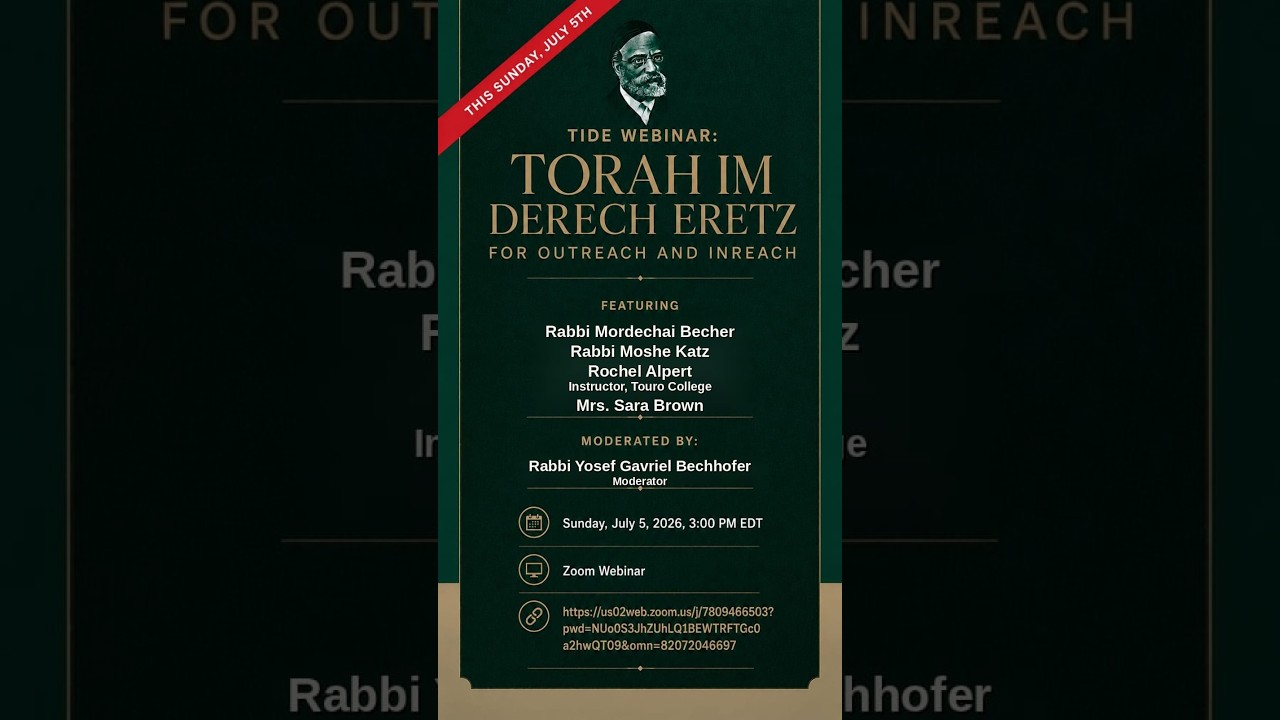
Webinar on YouTube.
1 Like
Looking for panelists for a TIDE vs Torah and Parnassah webinar on the 30th.